2026-08-06 · Riley Park · 888 words
Virtual machine versus antidetect browser
A VM isolates a whole OS. A profile isolates a room on one Windows box. This comparison is about cost, fidelity, and when a VM is the heavier right tool.
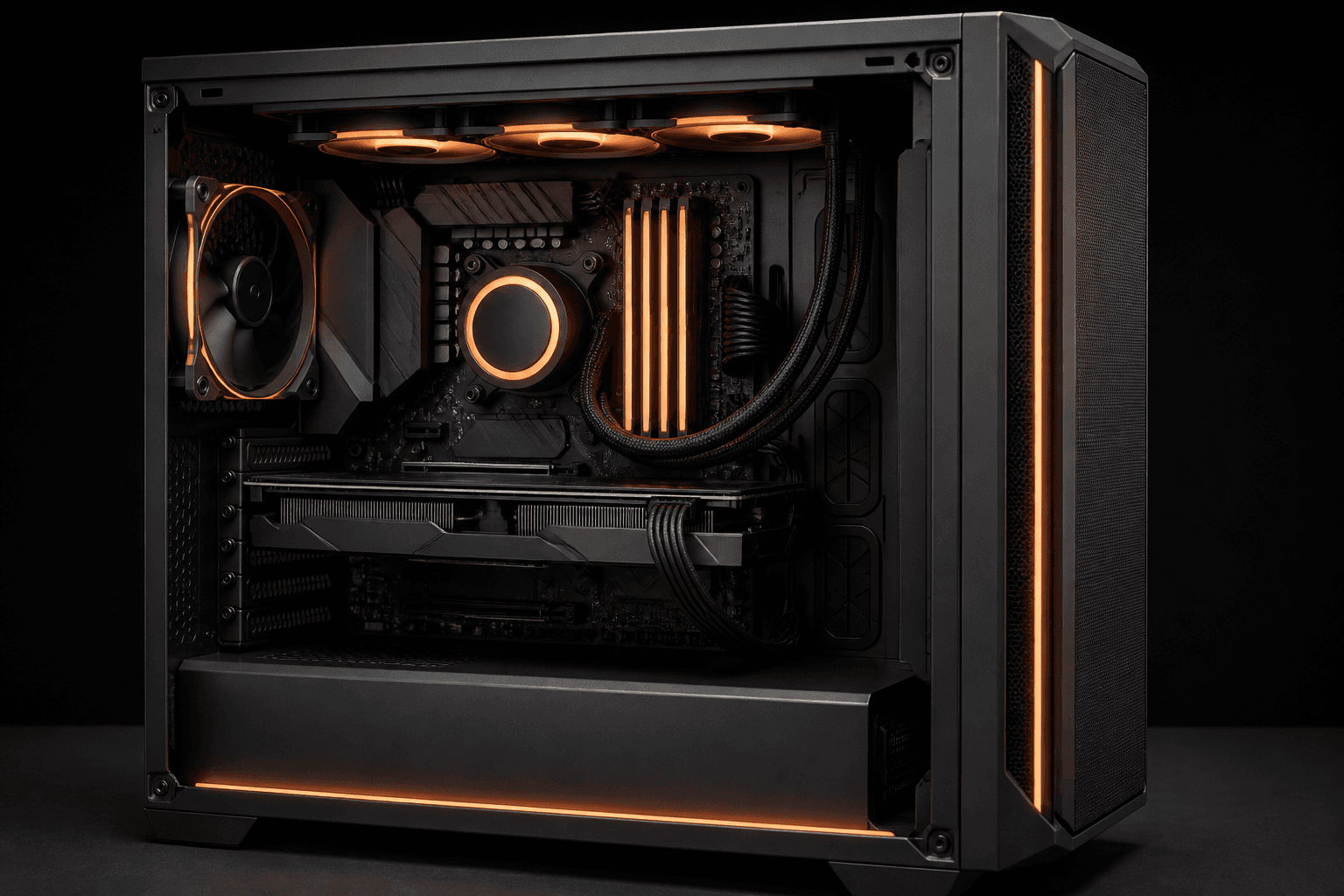
A virtual machine isolates a whole operating system. An antidetect profile isolates a browser folder on one Windows box. Cost, fidelity, and the job decide. Sometimes the heavier tool is right. Most authorized brand work does not need a second Windows install.
What an antidetect browser is is the definition. How it works is the mechanics. This page is the comparison. The rest of the cluster lives under Antidetect browsers.
What each wall actually blocks
| Job | VM | Antidetect profile | Proxy-only browser |
|---|---|---|---|
| Separate cookies | Yes, if guest is separate | Yes, separate user-data dir | No, one house |
| Separate OS / NIC / disk | Yes | No | No |
| Fingerprint seed per identity | Only if you build it | Yes | No |
| Cost | Hypervisor, RAM, licenses | One install, disk per folder | Cheap, incomplete |
| Looks like a VM by default | Often (GPU, scaling) | Looks like a browser on the host | Looks like the host |
A VM gives you a second kernel, a second NIC, a second disk, and a second set of Windows users. Cookies and GPU story can belong to that guest if you build it that way. That is real OS isolation. It is also heavy: RAM, licenses, snapshots, GPU passthrough. Default VMware or Hyper-V adapters show up in WebGL. Fidelity is work.
An antidetect profile gives you a second user-data directory, a second cookie store, and a second fingerprint seed. The process is still on the host Windows. The NIC is still the host NIC unless you attach a proxy. The GPU is still the host GPU. Downloads can still land in the host tray. Two profiles on one tower share ambient OS tells the app does not split.
A proxy browser versus an antidetect browser is a third, thinner tool: exit only, one house.
Cost on a real desk
A local antidetect tool on Windows is one install. MaskWright is a free local app with no seats. Profiles are folders under {Electron userData}/maskwright-data. The index is encrypted at rest with AES-256-GCM. The per-profile Chromium or Firefox trees are not. You pay in disk and attention, not in a per-profile invoice.
A VM costs a hypervisor, guest Windows licenses if you are honest about them, and the hardware to run two desktops. Agencies that already have a lab can absorb that. A spare-room operator who needs two storefronts and a research profile usually cannot, and should not pretend a Hyper-V guest is the definition of seriousness.
Cloud VMs and cloud browsers move the cost to rent. Local versus cloud is that cut. A rented VM is a locker with a full OS. A local profile is a folder you can point at. How to choose asks which custody you accepted.
When the VM is the right tool
Use a VM when the host itself is the contamination. A managed Chrome policy you cannot unload. A corporate VPN that forces every process onto one exit. A GPU or font set you cannot explain next to the user agent you need. A contractor laptop that must not see customer exports even as files on the host. A second legal entity that requires a second Windows user and a second disk, not just a second cookie store.
Use a VM when you need OS-level networking you cannot get from a per-profile proxy: a guest with IPv6 off, its own DNS, no host resolver leak into the work. The app can attach HTTP or SOCKS5 to a profile. It does not replace the Windows resolver for the whole box.
Do not use a VM as a fleet. Extra guests that exist only to dodge a platform limit are the same ethics problem as extra browser profiles for that purpose. Authorized work only. Agencies still share work through platform roles, not by cloning guests of live sessions.
When the profile is the right tool
Use a profile when the desk already has several authorized identities that must not share cookies: two storefronts, a personal Facebook and a Business Manager, a research profile that must never see customer CSVs. That is the common case.
Use a profile when you need a stable fingerprint seed and a named folder, and you can accept host GPU and host Windows as shared context. Custom Chromium versus system Chrome is the binary note inside that choice. A VM running stock Chrome is still stock Chrome. A local profile with a patched 131 core is still on the host GPU.
Do not use a profile as a phone. A mobile antidetect is not a desktop profile. A VM with Android is a different product. We do not ship that.
FAQ
Is a VM more "professional"? Only if the job needs an OS wall. Most brand desks need cookie isolation, not a second kernel.
Will a cheap VM look real? Often no. Default Hyper-V or VMware adapters show up in WebGL. Hiding that is a project.
Can I skip the VM and just use more profiles? For authorized accounts that must not share cookies, yes. For a contractor who must not see host files, no.
Pick the wall the job needs. OS wall when the host is the contamination. Browser folder when authorized accounts must not share cookies. Do not pick the VM because a 2021 blog called it professional.
Related notes
- What an antidetect browser isAntidetect browsers
- Proxy browser versus antidetect browserAntidetect browsers
- How antidetect browsers workAntidetect browsers
- Antidetect browsers for agencies without team seatsAntidetect browsers
- How to choose an antidetect browserAntidetect browsers
- A mobile antidetect is not a desktop profileAntidetect browsers
- Best antidetect browsers: local versus cloudAntidetect browsers
- Custom Chromium versus system ChromeAntidetect browsers