2026-06-09 · Jordan Hale · 667 words
Data residency is your disk
Residency is the operator disk. They hold cloud copies. If the question is where the session lives, the answer for MaskWright is a folder you can point at.
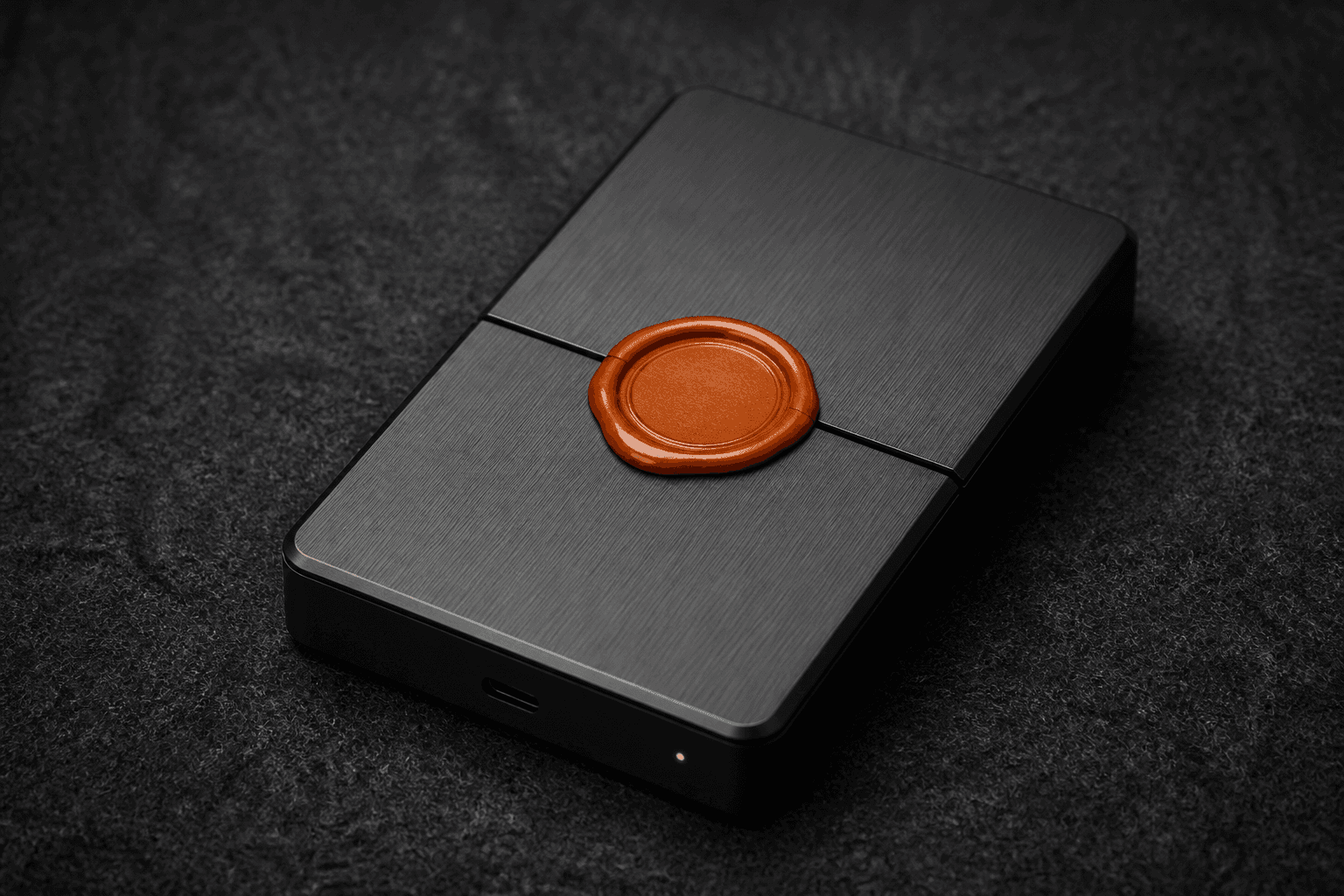
If the question is where the session lives, the answer for MaskWright is a folder you can point at. Residency is the operator disk. Cloud products hold copies in a region they name on a pricing page. Those are different answers. Do not let a compliance brochure flatten them.
This note sits in Privacy because “data residency” gets used as a sticker. I want a path.
The path
%APPDATA% (or the Electron userData path) /maskwright-data. profiles.json next to profiles/<uuid>/. On a default Windows 10/11 install that is a folder under your user. You can copy it. You can put the whole user directory on a BitLocker volume. You can take the PC out of the building.
Why we do not sync profiles: no second region. Offline days: CRUD still works. Who holds the cookie jar: you, plus anyone who can read that user. Team seats: we will not become a multi-region roster.
Encryption: AES-256-GCM on the index only. User-data dirs, cookie import JSON, localStorage import JSON are not wrapped by our code. Residency is not the same as sealed.
What cloud residency actually means
EU-west, US-east, “in-region backups.” Useful for SaaS. For a browser session it still means they hold a copy. Cloud browser risk. Cloud phones and versus local Windows: the copy is an Android image. What leaves this machine: our leftover is not that copy.
A DPA that says “data at rest in Frankfurt” is still their Frankfurt. Our answer is “your SSD, unless you copied it to a USB you forgot in a drawer.”
| Question | MaskWright | Typical cloud antidetect |
|---|---|---|
| Path you can ls | maskwright-data | Vendor console |
| Region picker | Your office | Their cloud |
| Second copy by default | No | Often yes |
| Encryption of cookies at rest | OS / Chromium, not us | Vendor claim |
If a procurement form asks “where is personal data stored?” I write the path, the Windows user, and whether BitLocker is on. I do not write “EU” unless the PC is in the EU. A cloud vendor’s Frankfurt checkbox is a different sentence with a different processor.
Backups change residency. A USB in a hotel drawer is a second country if you flew. An unencrypted Time Machine-style copy to a NAS is a second disk in the house. Plan the copies. We will not hold one for you.
Geo lookups to ip-api.com are not residency of the profile. They are a packet about an IP. The cookie store still sat on NTFS while that packet left.
Pushback I hear: “Frankfurt would be safer.” Frankfurt is safer for a processor you already hired. We are not hosting the profiles. Writing “EU” on a form when the PC is in Ohio is a lie. Write the path, the Windows user, BitLocker on or off, and where the USB backups sleep. That is residency you can point at.
FAQ
Does that satisfy GDPR “residency”?
I am not your DPO. Pointing at a folder is the factual answer. Lawful basis and processors are a different conversation. We are not a profile processor because we do not host the profiles.
What if I run the PC in a datacenter I rent?
Then residency is that datacenter. You are still the landlord of the VM. That is closer to local than to our cloud.
Can I move the store to D:\?
If you relocate Electron userData, that is an OS/app data question. The product still expects a local store, not our S3.
Do geo lookups change where the cookies live?
No. ip-api.com sees an IP. The cookie store still sat on NTFS. Residency is the folder and the backups, not the map pin.
A USB in a hotel drawer is a second country if you flew. Plan that copy like you plan the PC.
Download MaskWright and point at the folder. If a vendor’s map of regions felt safer than a path on your PC, you wanted a processor. We are not that processor.
Related notes
- What leaves this machinePrivacy
- Why we do not sync profilesPrivacy
- Cloud phones versus a local Windows profilePrivacy
- Who holds the cookie jarPrivacy
- What a cloud phone isPrivacy
- Offline operator daysPrivacy
- Cloud browser riskPrivacy
- Why we refuse team seatsPrivacy